Profiles
Turning Stories into Systemic Change for LGBTQI+ Refugees
Meet Sizwe, Rainbow Railroad's Policy Officer.
6 min read
Stories from our Work
Meet Sizwe, Rainbow Railroad's Policy Officer.
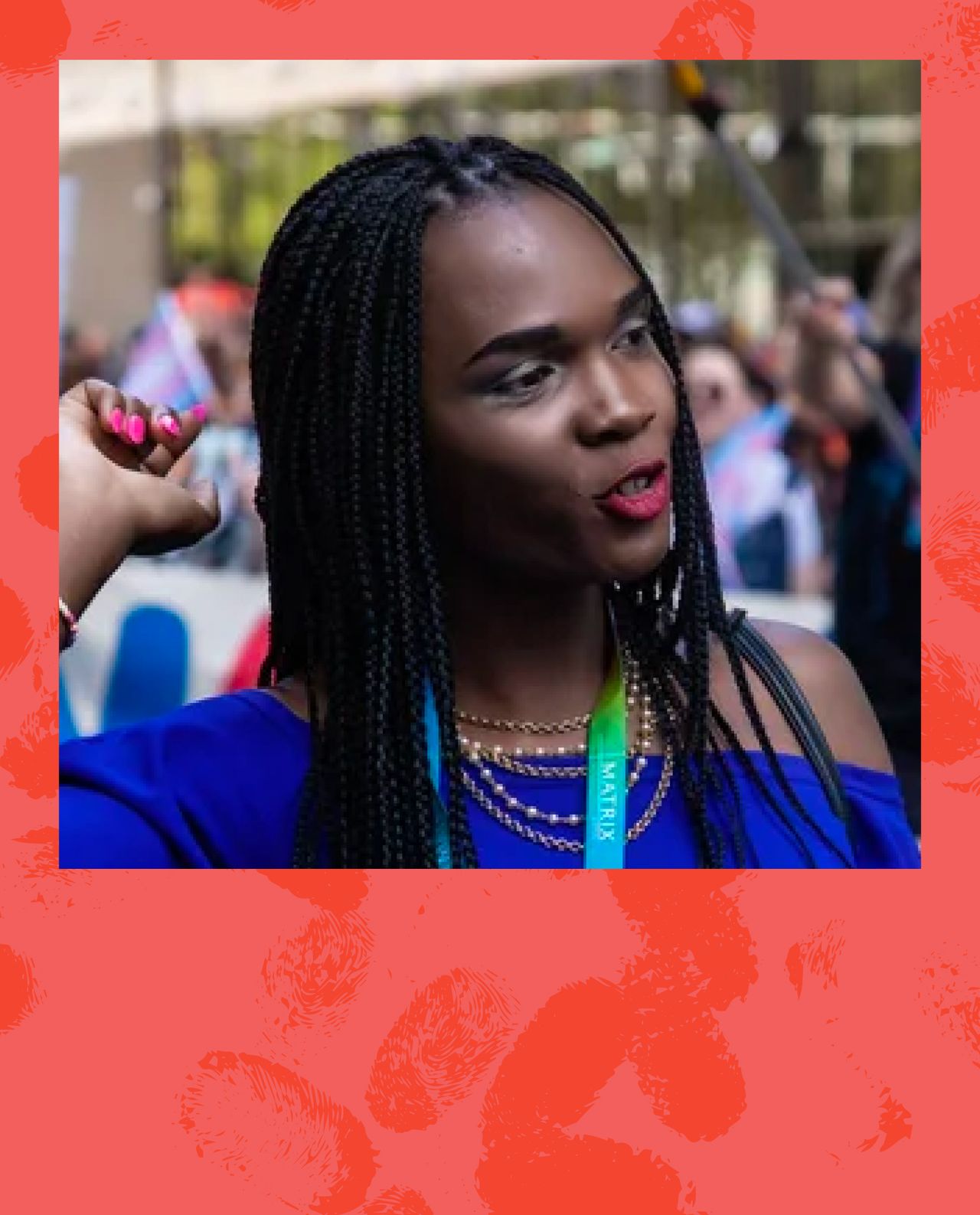
For years, fear dictated Julie’s days. Where she could go, who she could trust, how visible she could afford to be. In Uganda, being openly trans meant living in the shadow of criminalization, harassment, and violence. Survival meant vigilance. Freedom felt unimaginable. Yet today, Julie is building a life rooted not in fear, but in possibility.Julie is a proud transgender woman from Uganda, a country where simply existing as an LGBTQI+ person can be life-threatening. For her, identity and survival were never separate. “For many years, life there was filled with fear — constant threats, harassment, and violence simply because I dared to live as myself,” she shares.Her advocacy for LGBTQI+ rights only intensified the danger. In a context where queer and trans people are criminalized, visibility can come at a devastating cost. She fled Uganda for Kenya, carrying the weight of loss, fear, and uncertainty about what the future might hold. With support from Rainbow Railroad, that future eventually led her to Canada.Finding Home and Beginning to Heal“Canada is the first place I have ever been able to call ‘home,’” Julie says. After years of living in survival mode, she arrived in a country where she could finally breathe. “It’s a country where I can live without fear, where my gender identity is respected, and where I can finally begin rebuilding my life.”Safety, however, is only the first step. Like many newcomers, Julie faced the challenge of starting over — navigating a new culture, new systems, and the emotional toll of displacement. Healing did not happen overnight. But community made the difference. “Adjusting to a new culture has not been easy, but the support from kind people, community groups, and friends has made it possible,” she reflects.Over the past year, Julie has taken steps toward reclaiming her future. She began college studies focused on caregiving, learning about empathy, compassion, and meeting both physical and emotional needs. “This program has not only given me new career opportunities but has also helped me heal,” she says. Each lesson became a reminder that care is transformative, especially for those who have endured harm.Strength, Pride, and the Power of BelongingWhen Julie reflects on the year behind her, two moments stand out. One was deeply personal: completing her first practicum and helping someone “regain confidence after illness.” The other was collective and joyful: marching in Toronto Pride and Edmonton Pride, “proudly carrying my flag among other newcomers.”“These moments taught me that I am stronger than I ever believed,” she says.For Julie, strength now means more than survival. “I discovered that strength is not just in survival but in rebuilding with purpose.” Balancing school, work, and the lingering weight of past trauma has not been easy, but it has shaped her into someone grounded in hope.What brings her joy today is something that once felt out of reach: community. “Dancing with friends, sharing meals, or helping someone in need fills me with gratitude,” she says. “In those moments, I feel the true meaning of safety — belonging without fear.”As a new year begins, Julie’s hopes are clear. She wants stability. She wants to complete her studies. And she wants to give back. “I want to use my education to advocate for vulnerable people, refugees, elders, and anyone who feels unseen, reminding them that healing and dignity go hand in hand.”Her message to those who made her journey possible is simple and powerful: “Your love and solidarity gave me back my future.” And to LGBTQI+ people still living under threat, her words carry both urgency and hope: “You are not alone. There is a world waiting for you. A world where you can live freely and be celebrated for exactly who you are.”Right now, LGBTQI+ people around the world are being criminalized, targeted, and forced to flee simply for being who they are. Julie’s journey was made possible because someone chose to act.As we begin this new year, you can help make safety, healing, and hope possible for others like Julie. Donate today to support LGBTQI+ people fleeing persecution and help them find a place where they can live freely, with dignity and pride.
“Today, safety means sleeping without fear of a knock on the door,” Steven says.
-1-1280x1587.jpg)
As Senior Program Officer, Service Referrals and Post-Relocation Support, Kiana oversees much of Rainbow Railroad’s non-monetary support.

Jannat is a trans woman, activist and artist originally from Lahore, Pakistan. For years, her life was rooted in public visibility and resistance — organizing, advocating, and creating space for trans joy in a country where being openly transgender can be dangerous.“I spent many years fighting for the rights of trans people back home, from organizing the first Trans Pride Pride in Pakistan in 2018 to advocating for legal protections within our legislature,” she shares.For a time, there was cautious hope. Pakistan’s Transgender Persons (Protection of Rights) Act, passed in 2018, offered legal recognition of self-identified gender and opened pathways to identity documents, employment, healthcare, and public participation. But that progress began to unravel.In May 2023, Pakistan’s Federal Shariat Court ruled that key provisions of the Act, including legal recognition of gender identity, were “against Islamic injunctions,” stripping away protections many transgender people relied on for safety and dignity. Human rights organizations and trans activists warned that the ruling weakened legal safeguards, leaving trans people more vulnerable to harassment, discrimination, and violence. In its wake, many cases of abuse went unreported, as legal recourse and recognition disappeared.Jannat felt the impact firsthand and her visibility came at a cost. As anti-LGBTQI+ laws, stigma, and violence intensified, Jannat became increasingly unsafe. “Because of my visibility and activism, I began to face increasing threats to my safety,” she says. “With the support of Rainbow Railroad, I was able to relocate to Toronto, Canada, where I continue my work while rebuilding my life in a place that offers relative safety and space for freedom of expression.”Across the world, LGBTQI+ people are being criminalized simply for who they are — forced to flee not because they choose to leave, but because staying could mean imprisonment, violence, or death. Jannat’s story reflects a growing global crisis of forced displacement driven by anti-trans legislation and persecution.Rebuilding, Creating, BelongingIn Canada, Jannat has begun the complex work of rebuilding. Safety did not instantly erase loss, grief, or uncertainty, but it did make room for healing and growth.“I’ve become more compassionate not just with others, but with myself,” Jannat reflects. “Starting anew in Canada showed me that healing and building can happen together, even when life feels uncertain.”Over the past year, moments of pride and resilience have stood out. Being named Trans Ambassador for Pride Toronto allowed her to bring joy to the trans community during public celebrations. She also represented queer refugee voices in policy spaces, including advocacy at the Canadian Council for Refugees.“I felt especially proud when I saw my art and activism bring people together, especially with Pride Toronto, and community performances that fused my kathak storytelling dance,” she says. “It reminded me that visibility can be powerful when it uplifts others.”Yet challenges remain. “The hardest part has been rebuilding a sense of stability while still grieving the safety I lost in Pakistan,” Jannat shares. “I miss family, familiar rhythms, and the direct work with my community back home.”“Home has transformed from a physical place to a state of belonging,” she adds. “Canada is a home of opportunity and safety, but my heart still carries Pakistan. Home now holds both pain and possibility.”A New Year and an Urgent Call to ActAs the new year begins, Jannat carries both hope and determination. “I’m hopeful for more community spaces where queer refugees can thrive, where art, culture, and advocacy meet healing and safety,” she says. She is determined to “use my voice to build platforms for trans and queer refugees, spaces where their stories are not just heard but celebrated. Therapy through dance.”For Jannat, safety today is deeply personal and profoundly political. “Feeling safe means I can walk outside as my authentic self without fear, speak openly without threat, and create without compromise,” she explains. “It means my identity is respected and protected not just legally, but socially.”She wants the world to understand that refugee journeys do not end at arrival. “It’s not just about reaching safety, it’s about rebuilding identity, staying connected with roots, culture, and belonging, which takes time, compassion, and care from everyone around us.”And she offers this reminder: “Trans refugees are not just stories of pain — we are artists, teachers, dreamers, and community builders. And when we rise, we rise together.”As anti-LGBTQI+ laws continue to force people to flee their homes, stories like Jannat’s underscore both the urgency of this crisis and the power of solidarity. Your support helps ensure that trans and queer people facing persecution can reach safety, and rebuild their lives with dignity.Donate today to help LGBTQI+ refugees find safety, community, and hope in the year ahead.
"Supporting queer refugees is not a nice-to-have; it’s a need-to-have. We’re in this together, that’s the whole point of community.”
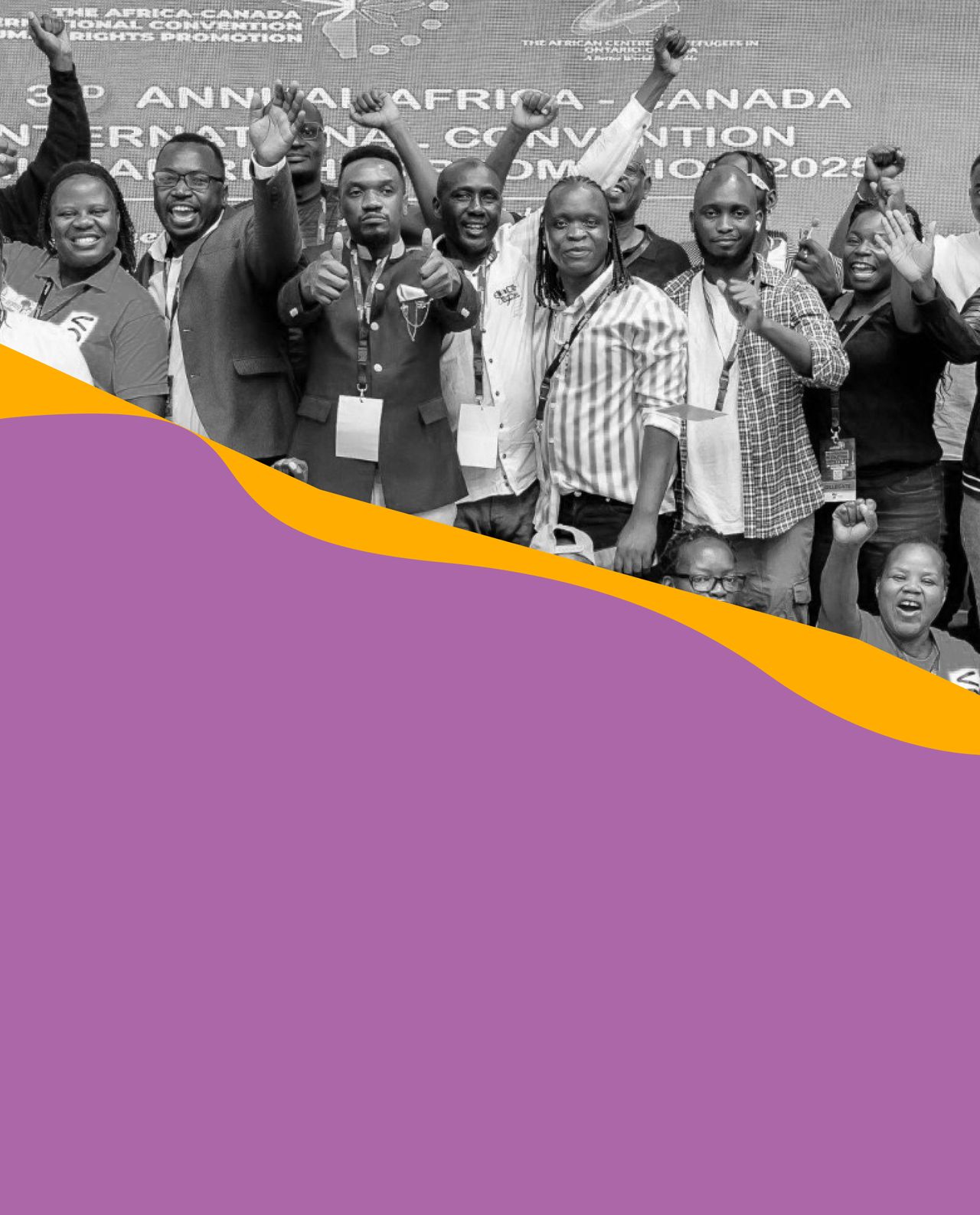
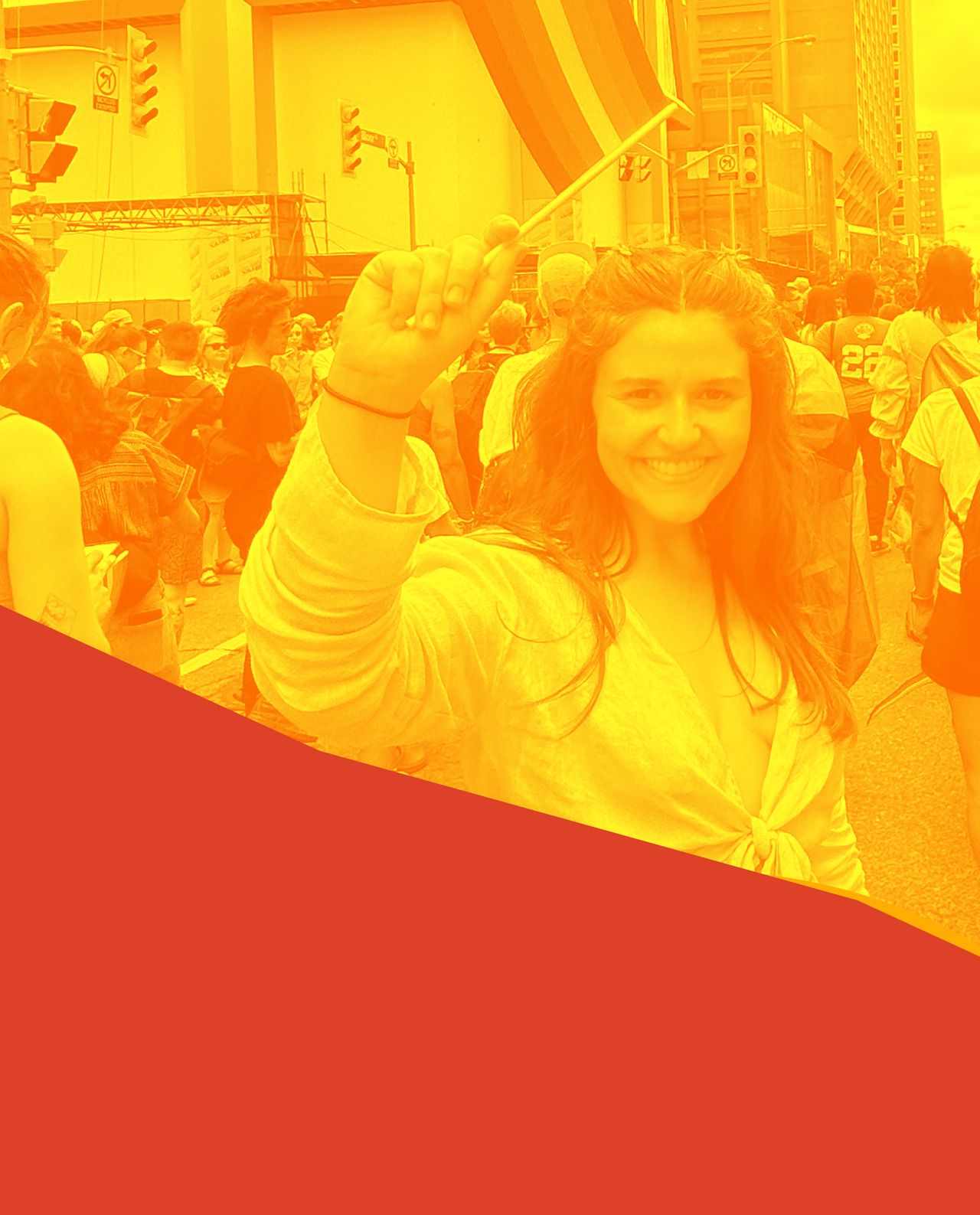
For many LGBTQI+ refugees, arriving in Canada is meant to mark the end of a long journey toward safety. But the struggle doesn’t stop at the border. Racism, transphobia, and homophobia can still surface in shelters, workplaces, and even newcomer communities. Finding stable housing, meaningful employment, or affirming healthcare often feels like an uphill climb. And for those still processing the trauma of persecution and displacement, isolation can deepen the pain.It’s this reality that moved Christopher, Executive Director of the African Centre for Refugees (ACR), to create a space where LGBTQI+ newcomers could find healing, connection, and belonging.“The African Centre for Refugees is a newcomer-led, volunteer-driven registered charity,” Christopher explains. “We support LGBTQI+ refugees, asylum seekers, and newcomers from Africa and other regions who are rebuilding their lives in Canada after fleeing persecution. Our mission is to create safe spaces, promote inclusion, and provide practical assistance from housing support and peer counseling to community education and advocacy for queer and trans migrants.”Founded in 2019 by LGBTQI+ newcomers with lived experience of displacement, ACR emerged as a grassroots initiative determined to fill the gaps left by larger agencies.“Our work is driven by lived experience and the belief that every newcomer deserves dignity, belonging, and safety,” Christopher says. “We saw a clear need for culturally specific, trauma-informed support that larger agencies often overlooked. This sense of solidarity and mutual care continues to inspire our team today.”A Lifeline of Connection and CareWith support from Rainbow Railroad’s Community Access Fund, ACR launched Pulse Chat, a peer-led mental health and communication program providing both virtual and in-person support for LGBTQI+ newcomers.“This funding allowed us to maintain weekly sessions covering topics like coping with trauma, finding safe housing, immigration information, and building confidence in a new environment,” Christopher explains.The funding also helped ACR provide internet access subsidies, translation support, and small stipends for facilitators with lived experience, ensuring that the community could lead and sustain the work themselves.Through the grant, the organization also delivered virtual mental health sessions, emergency food and transit assistance, referral services, peer mentorship programs, and capacity building for volunteers and facilitators. The impact was far-reaching.“We reached over 150 LGBTQI+ newcomers and refugees in Toronto and the surrounding regions,” says Christopher. “Many participants reported improved mental health, stronger social connections, and renewed confidence to engage in community life. Several have since become peer leaders themselves — showing the ripple effect of this support.”One moment, in particular, stands out to her.“A transgender woman who had just arrived from Uganda shared how the Pulse Chat became her ‘first safe space’ in Canada,” Christopher recalls. “Through our sessions, she found both emotional support and connections that helped her secure stable housing. Her transformation from isolation to empowerment embodies what this fund made possible.”Trust, Flexibility, and Lived ExperienceFor Christopher and her team, receiving support from the Community Access Fund meant more than just financial relief — it was validation. “Receiving this funding was deeply affirming,” she says. “It validated the work of grassroots, newcomer-led initiatives and recognized that people with lived experience of displacement are best positioned to lead change.”And the trust-based approach made a meaningful difference. Unlike many traditional grants, Rainbow Railroad’s model emphasizes flexibility.“Their trust-based, low-barrier approach gave us freedom to design projects based on real community needs, rather than strict institutional frameworks,” Christopher explains. “Their flexibility allowed us to respond quickly to emergencies, such as helping newcomers find safe spaces, while maintaining accountability and transparency.”She believes this kind of partnership offers valuable lessons for larger organizations and funders. Authentic community impact, she says, flourishes when relationships and trust come before bureaucracy. “Grassroots groups often understand their communities in ways that data can’t capture,” she notes. “When funders remove unnecessary red tape and center lived experience, real change happens.”Building a More Inclusive CanadaLooking ahead, Christopher and her team hope to expand their reach by creating a Community Resource and Wellness Hub — a dedicated space for LGBTQI+ newcomers to gather, learn, and thrive.Their vision is clear: a future where every queer refugee in Canada finds safety, belonging, and opportunity.Christopher's message to allies and supporters is equally clear: solidarity starts with listening. “Understand the lived experiences of LGBTQI+ migrants. Offer your time, your resources, your voice. Small acts — attending an event, donating, volunteering — can make a big difference.”She pauses, reflecting on how far ACR has come — and how much work remains. “We’re not just offering services,” she says softly. “We’re rebuilding lives, restoring hope, and creating a more inclusive Canada for all.” Help sustain transformative grassroots programs like this. Donate today and support community-led initiatives that help LGBTQI+ refugees find safety, stability, and belonging.
Adam and Sami’s love story began quietly in a small Moroccan town. “We met in 2023 and spent wonderful days together,” they shared. “But soon suspicions arose because we live in a small town and people around us started noticing. Despite this, our bond grew stronger and being together gave us comfort and happiness.”That comfort quickly gave way to fear. When their families discovered their relationship, the young couple — Adam, 23, and Sami, 19 — suddenly faced the very real threat of violence and death. “We lived in constant fear,” they said. “Every day was terrifying, and there was no place we could call safe. We were trapped in a life with no privacy, no security, and constant anxiety. Our meals were limited, and our income was unstable. We had no hope of a future.”For many LGBTQI+ people living in countries where same-sex relationships are criminalized, stories like Adam and Sami’s are tragically common. What’s far less common is access to the kind of support that can transform a life.A Lifeline When Everything Seemed LostAdam and Sami first learned about Rainbow Railroad when they were in desperate need of help. “They came into our lives like a miracle,” they said. “They gave us life, hope, and a future when everything seemed lost.”Through emergency cash assistance, Rainbow Railroad covered what they needed to stay safe and start rebuilding — from identification cards and passports to housing, food, medical care, and travel expenses. “They took care of every detail,” Adam and Sami explained. “They even organized and covered everything we needed to leave Morocco safely, including plane tickets, clothes, and accommodations.”For the first time, they could imagine a future beyond fear. “Their help meant that for the first time, we felt completely safe and could start dreaming about the future.”Independence, Dignity, and a Future Free from FearCash assistance doesn’t just keep people alive — it helps them rebuild with independence and dignity. “The cash assistance allowed us to access a stable home, food, healthcare, documents, and everything necessary to rebuild our lives,” they said. “It gave us independence, dignity, and the ability to plan a future free from fear.”Before receiving help, their lives were precarious. “We lived in a tiny room, two meters by three, on the roof of a building with no privacy and no security. Every night was filled with fear. Every day we worried about our safety and survival. Without Rainbow Railroad, we would not be alive today, and our dreams would have been impossible.”Adam and Sami’s story is a testament to the power of direct, flexible financial support — and to the donors who make it possible. “Because of their generosity, we could finally feel hope, safety, and freedom,” they said. “We are forever grateful to the entire Rainbow Railroad team. Their kindness restored our faith in humanity. Their support changed our lives completely and gave us a chance to live fully.”“You Are Not Alone”Now, in a safer place, Adam and Sami are beginning to think about the future — not just for themselves, but for others who are still at risk. “Newcomers need safety, shelter, food, healthcare, education, understanding, acceptance, and emotional support,” they said. “By listening, offering help, and standing against discrimination, people can give LGBTQI+ newcomers hope, dignity, and a chance to dream again.”For them, queer liberation means “being able to live openly without fear, to love freely, and express ourselves honestly. It is about safety, respect, dignity, and the chance to build a better future.”Their message to others facing persecution is one of hope: “You are not alone. Stay strong, believe in yourself, and never give up hope. Even in the darkest times, remember that your life has value and that there are people who care and support you.”The Need Has Never Been GreaterRainbow Railroad’s immediate cash support program is a lifeline for people like Adam and Sami — a lifeline that depends on donor generosity. Each dollar provides urgent food, safe shelter, travel, and the chance to rebuild a life with dignity.Adam and Sami’s journey was made possible because someone, somewhere, chose to give. You can be that someone. Donate today to help LGBTQI+ people in danger find safety and hope.
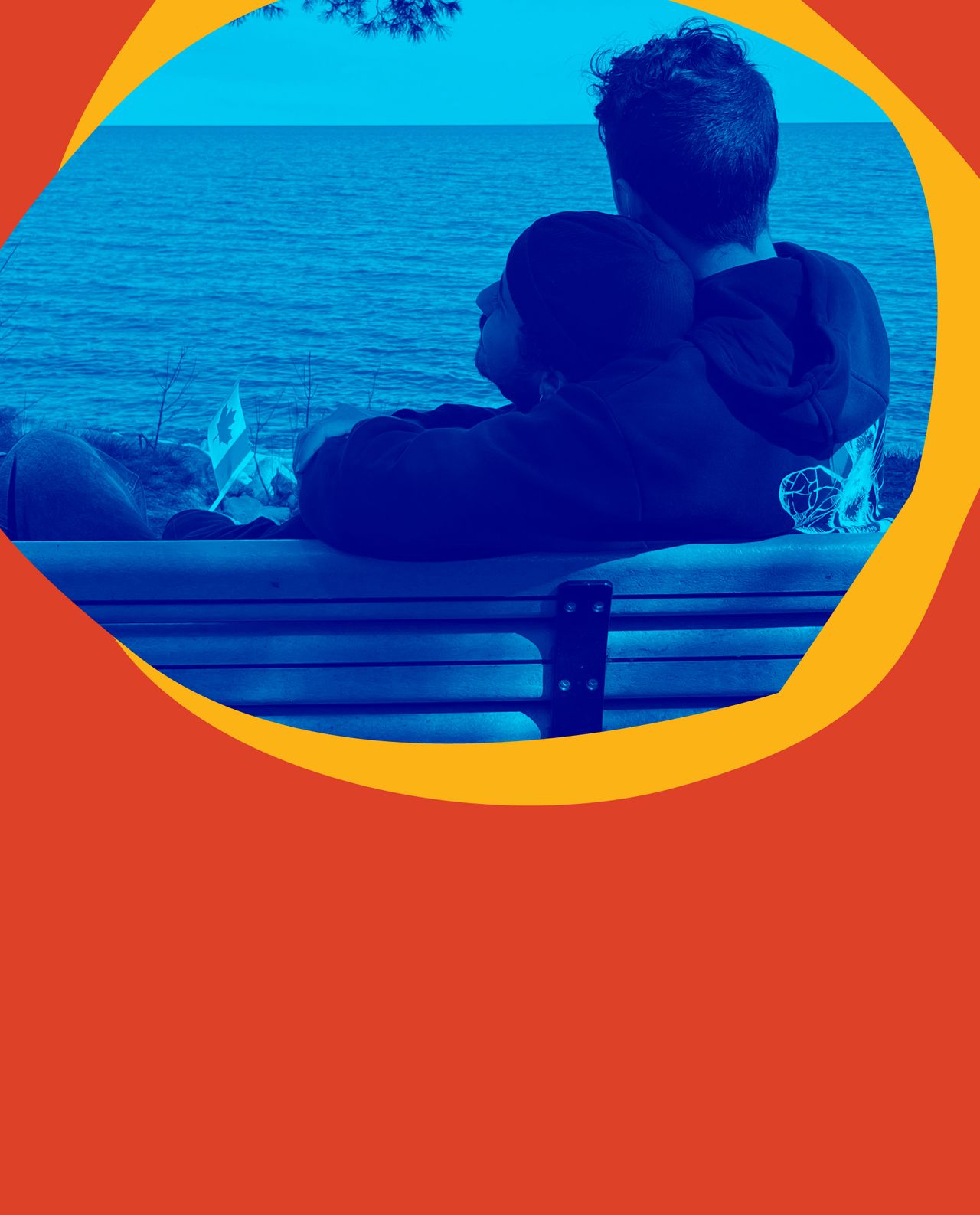
When Asher and their partner fled Yemen, they left everything behind — their home, their community, and the life they had once imagined for themselves. “Leaving was not an easy decision,” they recalled. “But it was the only way to stay alive and have the chance to live freely as myself.”In Yemen, being openly queer can be deadly. For Asher, a non-binary, queer person, every day was filled with fear and uncertainty. “We were being followed and threatened, and every day felt more dangerous,” they said. “In our desperation, I reached out to a Yemeni trans man who shared a link to Rainbow Railroad’s ‘Request Help’ form. That moment changed everything. It gave us a small but real sense of hope that maybe we could survive and find safety.”Cash Support That Meant SurvivalEven after connecting with Rainbow Railroad, Asher's journey to safety wasn’t immediate. Before they could leave, Asher and their partner faced homelessness. “At one point, we were about to end up on the street, in a place where finding a job or any kind of assistance was impossible,” they said. “We felt completely hopeless.”That’s when Rainbow Railroad’s cash assistance program made a life-changing difference. “We reached out to our case worker at Rainbow Railroad, and she provided the support we needed. Her help gave us stability and safety when we had nowhere else to turn.”The funds helped Asher pay for basic necessities — housing, food, and daily living costs — at a time when safety was fragile and opportunities were scarce. “The support we received helped us cover housing and our household expenses. It meant we had a safe place to stay, food to eat, and stability during one of the hardest times in our lives,” Asher said. “Without that support, we would have ended up in the streets of a queer-phobic place.”Building Stability in CanadaWhen Asher finally arrived in Canada, they found freedom — but also new challenges. Like many newcomers, they faced high living costs, limited income, and the stress of starting over in an unfamiliar country. That’s where another lifeline, Rainbow Railroad’s Housing and Livelihood Assistance Fund (HLAF), came in.“Because of the HLAF grant, I was able to pay off a portion of my credit card debt, which I had used to cover my rent from the previous month,” Asher said. “The financial assistance we receive from the federal government isn’t enough to meet all basic needs, so this support helped me catch up and breathe a little easier.”For Asher, this relief wasn’t just financial — it was transformative. “Rainbow Railroad not only helped me survive but also gave me the chance to start over, to live freely, and to dream about a future again,” they said. “Their support changed my life completely. It gave me safety when I had none and hope when I was losing it. It gave me the stability and dignity I needed to rebuild myself. Without their help, I don’t think I would have made it this far.From Fear to FreedomNow in Canada, Asher is beginning to heal. They describe queer liberation as “living without fear — the freedom to exist, to love, and to express myself without hiding who I am.”“What makes me hopeful about the future is the freedom I have now to live as myself and build a new life,” they shared. “I’m surrounded by people who accept me for who I am, and that gives me strength. I’m also hopeful when I see more people standing up for LGBTQ+ rights around the world. It reminds me that change is possible.”Asher knows that the path to safety and freedom starts with compassion — and immediate, tangible support. “Without the cash assistance and HLAF grant, I don’t know how I would have managed to stay safe or keep a roof over my head,” they said. “You’re not just helping with money. You’re giving people like me a chance to rebuild, to feel human again, and to believe in a better future.”Compassion Knows No BordersAcross the world, thousands of LGBTQI+ people like Asher are facing violence and persecution simply for being themselves. Many have no access to shelter, food, or basic safety — and are waiting for help that can’t come soon enough.Your donation to Rainbow Railroad can provide life-changing help through immediate cash support programming right now. Give today. Help someone find safety, stability, and hope — just like Asher.
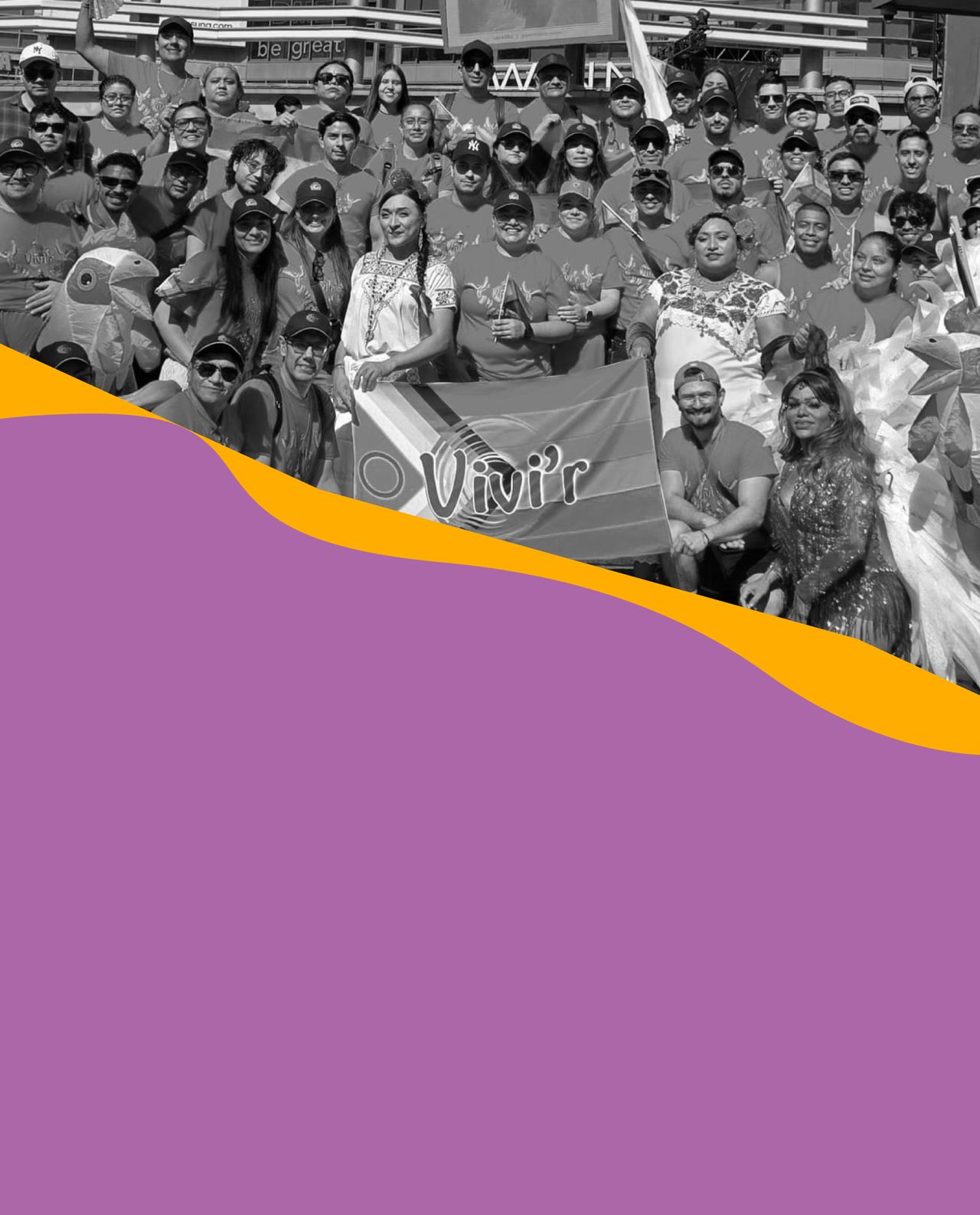
When Vivi’r LGBTQ+ began in 2019, it was little more than a handful of Spanish-speaking LGBTQ+ newcomers in Toronto gathered to share stories, frustrations, and hopes for a safer, more inclusive future. Six years later, the grassroots group has grown into a vital community hub — providing workshops, advocacy, and support to refugees and asylum seekers navigating life in Canada.Breaking Barriers for Spanish-Speaking Newcomers“Vivi’r LGBTQ+ started as a small community group in response to the lack of access to culturally and linguistically appropriate support for Spanish-speaking LGBTQ+ refugees and newcomers,” said Viviana, Chair of Vivi’r LGBTQ+. “We wanted to create a space where people felt seen, heard, and supported.”Today, Vivi’r LGBTQ+ focuses on legal education, community outreach, and advocacy for individuals who face language barriers and systemic discrimination. For many newcomers, especially those fleeing persecution, even basic systems — from immigration paperwork to healthcare — can feel insurmountable.“Some of the biggest challenges include navigating complex immigration systems, overcoming language barriers, and dealing with trauma from discrimination and forced migration,” said Maria, the organization’s Secretary. “Many also struggle to find culturally competent legal and mental health support.”The Power of Trust-Based Funding That’s where Rainbow Railroad’s Community Access Fund comes in. Vivi’r LGBTQ+ was among the first recipients of the newly launched fund, which supports grassroots initiatives helping LGBTQI+ migrants and refugees access safety and belonging. The funding allowed Vivi’r LGBTQ+ to strengthen Vivi’r Empoderando, a monthly workshop series designed to educate, empower, and connect newcomers.“Through this funding, we provided legal information sessions, financial literacy, community safety and crime prevention, and labour exploitation and human trafficking prevention.,” Maria explained. “These sessions have helped reduce isolation, increase community safety, and empower participants to advocate for themselves and others.”Over the past year, the organization reached more than 100 Spanish-speaking LGBTQI+ newcomers — an impact that extends far beyond the numbers. For many participants, the workshops have been the first time they’ve had access to legal guidance in their language, or a space to share experiences without fear of judgment or misunderstanding.“Receiving this funding was deeply meaningful,” Viviana said. “It validated our work and allowed us to continue serving people in need. We are incredibly grateful to Rainbow Railroad for the Community Access Fund, as well as for offering additional support and resources to continue growing our presence and visibility.”The funding also came with something that grassroots organizations rarely experience: trust. Rainbow Railroad’s low-barrier, community-driven approach allowed Vivi’r LGBTQ+ to focus on its mission instead of red tape. “Rainbow Railroad’s trust-based, low-barrier approach made the process accessible and empowering,” Maria shared. “We felt respected as partners and were able to focus on meeting community needs rather than navigating complex administrative requirements.”Expanding Hope and Building FuturesThat flexibility, the pair say, is key to meaningful partnership. “Larger organizations can learn the value of flexibility, trust, and direct engagement with communities,” Viviana emphasized. “Grassroots partnerships allowfor more responsive, culturally relevant support and foster genuine relationships that drive meaningful change.”Looking ahead, Vivi’r LGBTQ+ plans to expand its programming even further. “We are adding information on how to enter post-secondary education after receiving a favourable decision on a refugee claim, as well as other resources to support integration,” Maria said. “Our vision is a community where all LGBTQ+ newcomers feel safe, supported, and empowered to build new lives in Canada.”Their hope is that the Community Access Fund will continue to reach groups like theirs — small but mighty organizations that understand their communities best. “Together, we can create safer, more welcoming communities for LGBTQ+ migrants and refugees,” Viviana said.For those who want to help, their message is clear: get involved. “Listen to the needs of newcomers and offer practical support — whether through volunteering, donating, or advocating for inclusive policies,” Viviana said. “Building trust and showing up consistently makes a real difference.”Grassroots leaders like Maria and Viviana prove that when communities are trusted to lead, real transformation follows. The Community Access Fund isn’t just funding programs — it’s fueling resilience, belonging, and hope.Donate today to Rainbow Railroad’s 60in60 campaign to help grassroots groups like Vivi’r LGBTQ+ continue their life-changing work with LGBTQI+ refugees and newcomers.
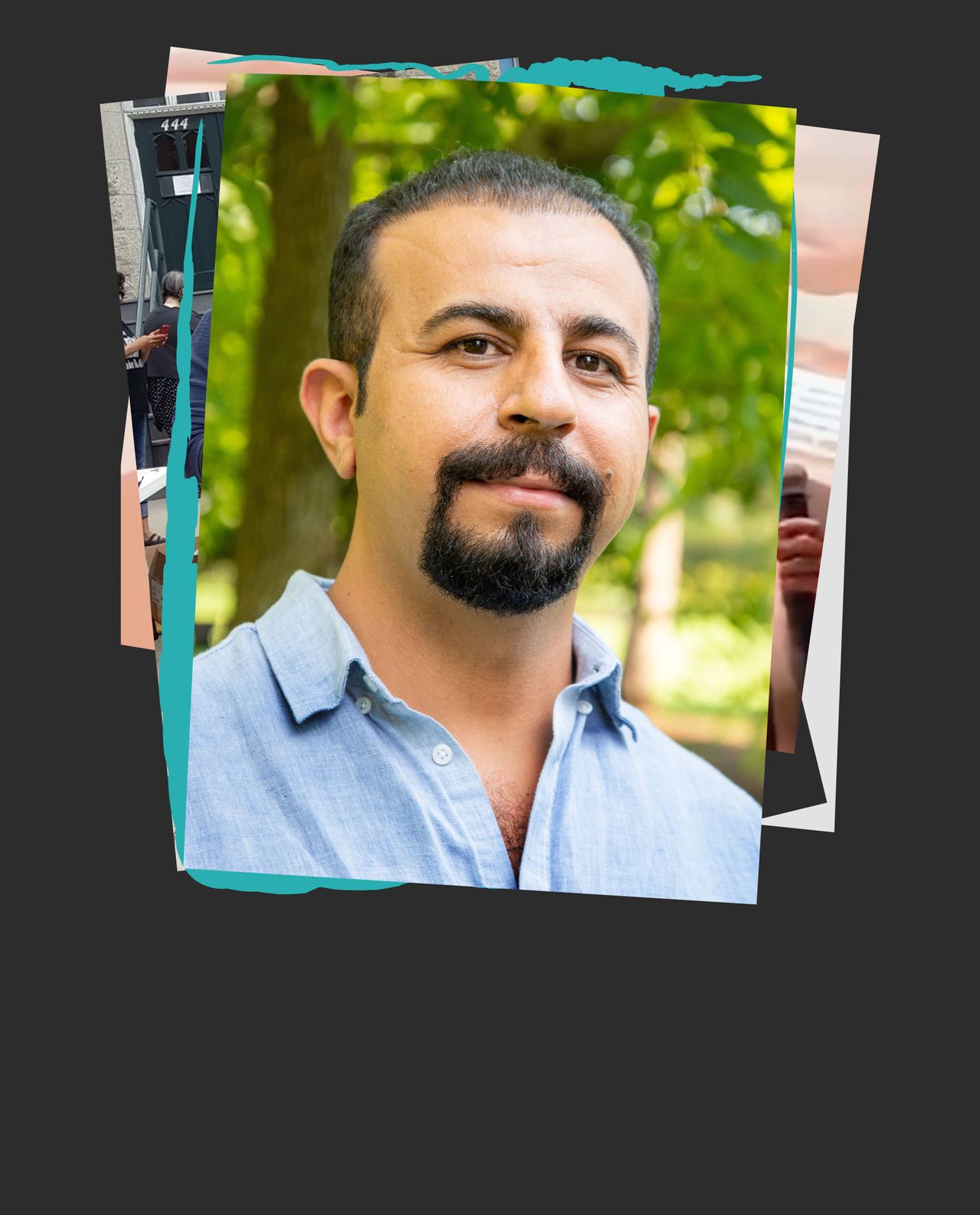
When Rebaz talks about his work at Rainbow Railroad, it’s clear this isn’t just a job — it’s a continuation of a lifelong commitment to human rights.“I’m a newcomer who moved to Canada in 2017 to work on Indigenous rights advocacy, and did that for four years before starting to work with newcomers and asylum seekers,” he explains. “Before moving to Canada, I was a lawyer and a human rights activist in Iraq, focusing on ethno-religious minority rights, along with women's rights and legal reforms towards gender parity.”“This work included LGBTQI+ rights but under different titles, such as ‘Youth Rights,’ to avoid the government's censorship,” he recalls. “For example, in 2012, I led a project that documented the targeting of LGBTQI+ youth in Baghdad in a killing campaign fueled by religious leaders.”That history informs every part of what he does today.A Mission That Resonates DeeplyAt Rainbow Railroad, Rebaz serves as Program Officer for Emergency Travel Support and Cash Assistance. His days are anything but predictable.“On a typical day, I'm meeting with clients, conducting needs assessment, providing financial and non-financial resources, developing relocation plans and backup plans, and preparing the individuals to travel,” he says. “Sometimes my day includes being up at 2 am to support an individual travelling at that time, and other times my entire day is spent looking at a computer researching routes or drafting letters of support.”The work reminds him of his grassroots activism back home. “What Rainbow Railroad does is very unique, in terms of subverting the system through hands-on actions that change people's lives in a way that we can see and measure clearly,” he says. “In Iraq, I was a part of a grassroots network of activists that helped relocate at-risk LGBTQI+ youth to safety through personal connections. When I came across Rainbow Railroad's Emergency Travel Support program, it resonated a lot with what I did back in Iraq, and why I did it.”One moment that solidified his commitment was the crackdown on LGBTQI+ communities in the Kurdistan Region of Iraq in 2021. “My inability to contribute to the struggle there was my motivation to join Rainbow Railroad, hoping to channel that energy to support vulnerable members of the LGBTQI+ community on this side,” he explains.The Rewards and Challenges of Emergency SupportThe work is both rewarding and heartbreaking. “When a client arrives at a country where they aren't afraid of being who they are and share their joy with me,” he says, “that’s the most rewarding aspect of my role.”But the obstacles can be daunting. “The constant erosion of LGBTQI+ rights coincides with the increased limitations of who we can relocate and to where, putting the struggle for LGBTQI+ in perspective within the larger wave of erosion of rights,” he says. “The right to claim asylum is becoming all but inaccessible with the multitude of roadblocks constantly being erected by the Global North governments, and that includes the shift in attitude at home when it comes to Canadian society's acceptance of immigrants and asylum seekers.”On the hardest days, he admits, the failures weigh heavily. “The most challenging part of my role? When a travel plan that I've been working on for months fails.”What keeps him going is a mantra he carries with him: “If I'm not contributing to the solution, then I'm a part of the problem.”Grounded in Strength and BalanceFor Rebaz, inspiration often comes from seeing others succeed. “Reading or hearing about stories of success,” he says, is what fuels him.Outside of work, he turns to the outdoors and creative pursuits to recharge: “Camping, hiking, trail running and basically anything outdoors” brings him joy. He also admits with a smile: “I do leatherwork when I have free time, and I'm not half-bad at it.”Why Support MattersFor supporters and donors, Rebaz has a clear message: “While donating to any social justice cause contributes to making the world a better place on a general level, your donation to Rainbow Railroad changes the lives of each person we support directly and immediately. You can help us continue making the world a better place, one person at a time.”And if there’s one thing he wishes more people understood about this work, it’s that numbers only tell part of the story. “Every case we work on is unique; each person has different needs and wishes, and deals with a different set of challenges and complications, and the client’s strength is sometimes the main factor to make a relocation attempt successful.”Stories like Rebaz’s show that our work is sustained by compassion in action. Whether you give your time, your voice, or your resources, you can help us create more pathways to safety for LGBTQI+ people around the world.
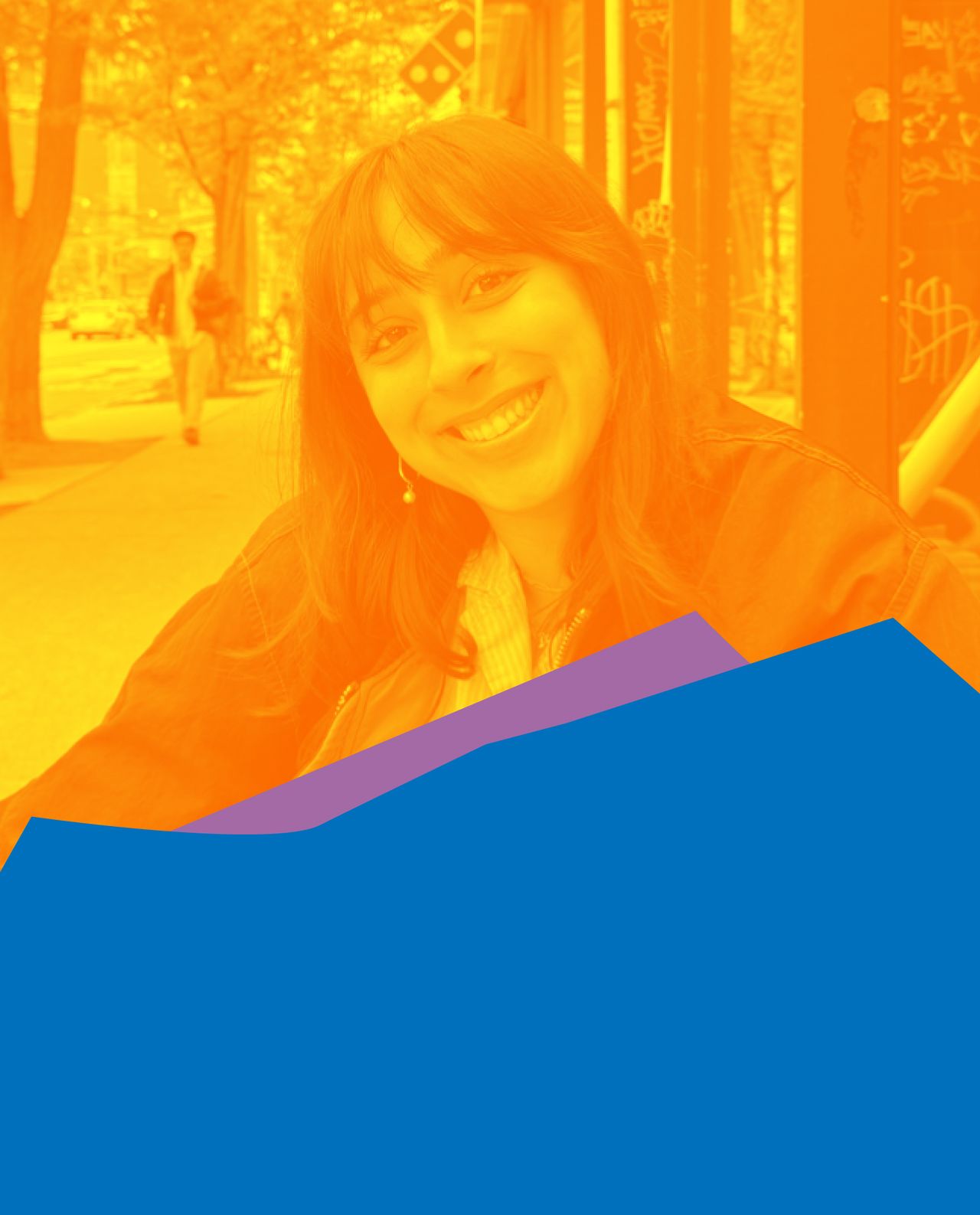
For Shimmi, volunteering with Rainbow Railroad is about more than legal support; it’s about standing beside LGBTQI+ people in crisis and helping them feel seen, heard, and supported on their journey to safety.Finding a Meaningful Volunteer PathA law student at the Lincoln Alexander School of Law in Toronto, Canada, Shimmi first connected with Rainbow Railroad through her school’s chapter of Pro Bono Students Canada (PBSC). As a volunteer, Shimmi supports the processing of applications for the Government-Assisted Refugees (GAR) program, which allows Rainbow Railroad to refer LGBTQI+ refugees to the Canadian government for resettlement to Canada. “I applied to volunteer with PBSC because I wanted to engage in client intake and other hands-on work within my first year of law school, but I hadn’t realized just how meaningful the work could be until I was offered the volunteer position with Rainbow Railroad,” Shimmi explains. As a volunteer with the GAR program, she works with refugees, collecting information about their physical and mental health, legal status, housing, access to healthcare, and other critical needs. In addition, she researches the legal and social conditions in the countries where at-risk LGBTQI+ individuals live to provide context for their situations. This information helps inform detailed assessments, providing a clear picture of the unique circumstances faced by each individual, helping to frame their case for resettlement. Paige MacLean, Senior Program Officer, GAR Coordinator, depends on the support of volunteers like Shimmi: “Volunteers are critical to this work because they help us increase our capacity to support more LGBTQI+ people at risk,” Paige shares. “The completion of these assessments ensures that we assist the most vulnerable LGBTQI+ refugees through the GAR Program.” Forging Human ConnectionsThe connection that Shimmi makes with an LGBTQI+ person at risk can be incredibly meaningful, and often extends beyond simply collecting information: “I have found that I often provide a rare safe and welcoming space for LGBTQI+ people at risk to be themselves and to tell their lived experiences to someone who is on their side…I have realized that this opportunity to show people empathy, kindness, and understanding is another key way that I am able to support LGBTQIA+ people at risk, while I work on their resettlement cases.”For LGBTQI+ people living in countries where their identities are criminalized, it can be a new experience to connect directly with someone supportive of LGBTQI+ people. In her role as a volunteer, Shimmi can be one of the first individuals to hear someone openly express their identity. For Shimmi, it is important to connect on a personal level with each person she supports. She shares the following:“Every time I end an assessment interview, I take a moment to truly wish them the best and to ensure that I will do everything that I can for them from my stage in the process. I always want this to be authentic and unscripted. It’s a moment to assure them that there are people out there who are fighting for them and have their best interests at heart. I want them to feel seen, in a real way, before the interview ends. “The Emotional Weight of Frontline WorkVolunteering in a frontline role can be deeply meaningful, and also comes with challenges. Shimmi reflects on some of the most difficult aspects of volunteering, “After some interviews, I have found myself sitting in silence or feeling physically shaken. There is truly nothing like witnessing the pain and fear in people’s faces as they share what is currently happening to them.” She prioritizes self-care in order to continue this type of work, explaining, “It is crucial to maintain your own well-being so that you can remain stable and truly be there for those you are working with.” In spite of the emotional weight of this work, Shimmi is dedicated to supporting LGBTQI+ people at risk. After completing her placement through Pro Bono Students Canada, she made the decision to continue volunteering with Rainbow Railroad. She reflects on the significance of this work with a wider lens, stating, “I urge the government to recognize that LGBTQI+ rights are human rights, and that our immigration and refugee systems must be fair, accessible, and responsive to those fleeing persecution. The people that I’ve worked with are not statistics but individuals who wish for freedom, love, and safety just as we do.”Through her volunteer work with Rainbow Railroad, Shimmi is helping to ensure those wishes are met with compassion, dignity, and action. If you’re interested in donating your time and expertise in support of LGBTQI+ refugees, you can sign up to volunteer with Rainbow Railroad today.